What is Cell wall – Class 9
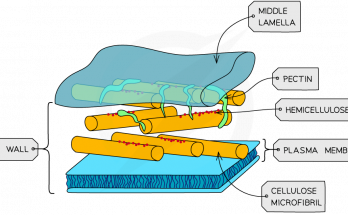
Cell wall Definition with 6 Important Characteristics of Cell wall
What is Cell wall – Class 9 Read MoreCBSE Class Notes Online – Classnotes123
CBSE Class Notes, Worksheets, Question Answers, Diagrams , Definitions , Diffrence between , Maths Concepts, Science Facts Online – Classnotes123
Cell wall Definition with 6 Important Characteristics of Cell wall
What is Cell wall – Class 9 Read More
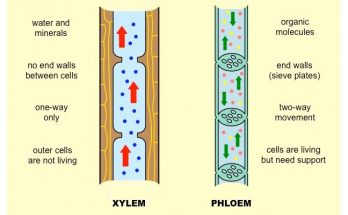
The transport of materials in xylem and phloem is essential for the growth and survival of plants. While both systems move substances throughout the plant, they operate differently. Xylem primarily transports water and minerals through a passive process driven by transpiration while phloem transports sugars and other organic compounds through an active process called translocation.Understanding the differences between the two is crucial for plant growth and development.
What are the Differences between the Transport of Materials in Xylem and Phloem? Read More
Transportation in plants is the process in which substances absorbed or synthesised in one part of the plant are moved to other parts of the plant. The transport system in highly organised plants consists of four major components – Xylem, Phloem, Root System and Stomata.
What are the Components of Transport System in Highly Organised Plants Read More
Transportation is the life process in which a substance (Made or absorbed) in one part of the body of an organism is carried to other parts of its body.
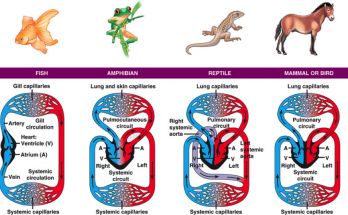
Transportation in Amphibians and Reptiles
Transportation in Bird And Mammals
Transportation in Fishes
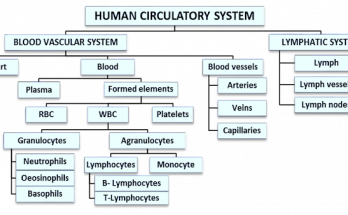
Components of Transport System in Human Beings- Transport System of Human Being divided into 2 parts- Blood vascular system
A lymphatic system.
Functions of Components of Transport System in Human Beings
9 Important Function of the Platelets in the blood –
blood clotting process , Healing and Repair of damaged blood vessels, Growth factor production, Inflammation, Anticoagulation, Blood pressure regulation, Blood flow regulation, Antibacterial , Tumor suppression
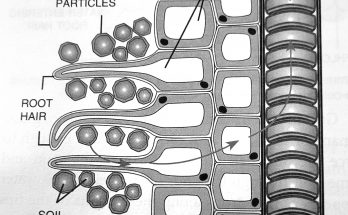
Root Pressure is a hydrostatic force generated in the roots that helps drive fluids and other ions up into the plant’s vascular tissue. It is created through osmotic pressure in the stem cells and occurs more frequently in the spring. Root Pressure contributes to water and mineral nutrient transport, helps maintain water balance, facilitates nutrient uptake and can help plants survive during drought. However, it is not sufficient for sap to rise in tall trees.
What is Root Pressure ? Read More
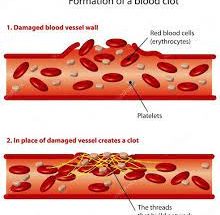
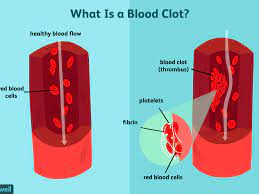
What Is Blood Clotting ? Blood Clotting , also known as Blood Coagulation is the process by which blood changes from a liquid to a gel, forming a blood clot.
Explain the Process of Blood Clotting Class 10 Read More
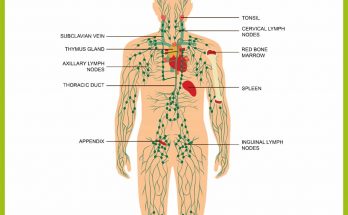
Lymphatic system is the second important Circulatory System that permeates the Entire Human Body and transports the liquid called lymph from body tissues to the blood vascular system.
Lymphatic System – Class 10 Read More
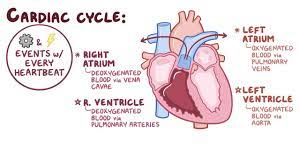
What is Cardiac Cycle? The cardiac cycle (Heart Beat) involves repeated Rhythmic Contraction and Relaxation of heart muscles. Contraction is called Systole and Relaxation is called Diastole.
Cardiac Cycle Class 10 Read More