Structure of Human Eye Class 10
The main parts of the human eye are : Cornea Iris Pupil Ciliary muscles Eye lens Retina Optic nerve Cornea : It is the transparent bulged out spherical membrane in …
Structure of Human Eye Class 10 Read MoreCBSE Class Notes Online – Classnotes123
CBSE Class Notes, Worksheets, Question Answers, Diagrams , Definitions , Diffrence between , Maths Concepts, Science Facts Online – Classnotes123
The main parts of the human eye are : Cornea Iris Pupil Ciliary muscles Eye lens Retina Optic nerve Cornea : It is the transparent bulged out spherical membrane in …
Structure of Human Eye Class 10 Read More
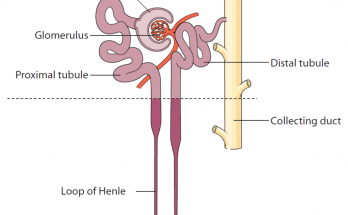
3 Important Steps of Urine Formation
Ultrafiltration
Selective reabsorption
Tubular secretion
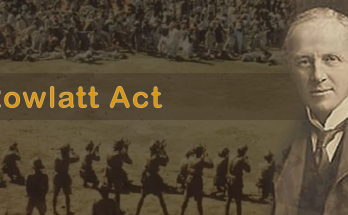
What was The Rowlatt Act? Rowlatt Act was an oppressive act Introduced by the British government in 1919. It gave the government enormous powers to repress political activities and allow …
What was The Rowlatt Act? How did the Indian show their disapproval towards the act? Read More
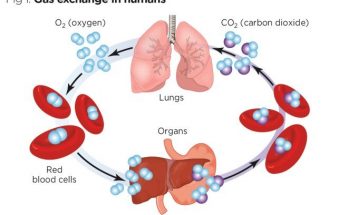
4 Important Steps of The process of transportation of Oxygen in human being
5 Important Steps of The process of transportation of Carbon dioxide In human beings
Explained
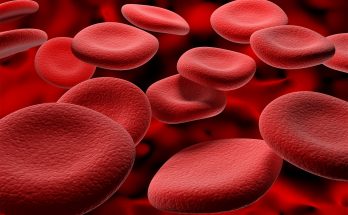
9 Important Functions of Blood Explained with diagrams , images and charts to make it easy to remember for class 10 th
Write down Functions of Blood – Class 10 Read More
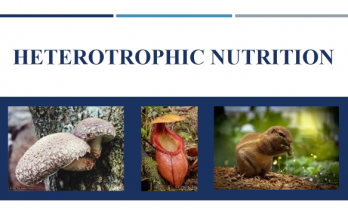
Heterotrophic nutrition refers to the mode of nutrition in which organisms rely on other organisms for food. It can be classified into three main types – holozoic nutrition, saprotrophic nutrition, and parasitic nutrition. Holozoic nutrition involves the ingestion, digestion and absorption of complex organic material. The saprotrophic nutrition obtains its nutrients from decaying organic material, while parasites obtain their food nutrition from living hosts.
Heterotrophic Nutrition – Definition ,Types and Examples – Class 10 Read More
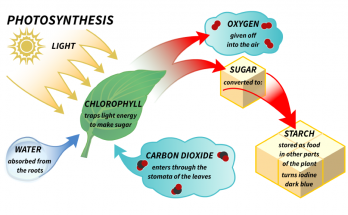
Photosynthesis is the process by which green plants, algae and some bacteria convert light energy into chemical energy in the form of organic compounds such as glucose. This process occurs in chloroplasts where chlorophyll absorbs light energy and converts it into chemical energy. Raw materials required for photosynthesis include carbon dioxide and water, which are converted into glucose and oxygen through a series of chemical reactions. The process of photosynthesis is divided into three phases: Absorption, Conversion and Reduction.
What is Photosynthesis? Explain the Process of Photosynthesis Read More
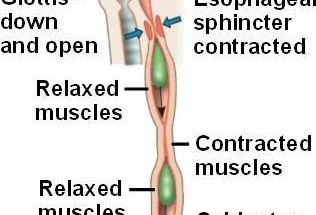
Peristaltic movement, also known as peristalsis or peristalsis in the digestive tract, is a wave-like contraction and relaxation of the muscles that moves food through the GI tract. It is coordinated by the enteric nervous system and involves circular and longitudinal muscle contractions. Peristalsis aids digestion, absorption of nutrients and elimination of waste, making it a vital process in the gastrointestinal tract.
What is Peristaltic Movement – Class 10 Read More
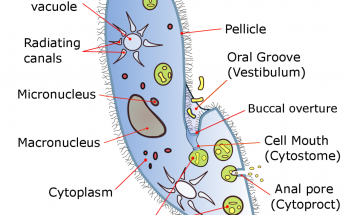
Paramecium, a tiny unicellular animal, feeds on microorganisms through holozoic nutrition. It has cilia to engulf food through the oral groove. The five steps are ingestion, digestion, absorption, assimilation and egestion. Paramecium can regulate food intake and selectively choose its food. It is a model organism for the study of nutrition in unicellular organisms.
Nutrition in Paramecium – Class 10 Read More
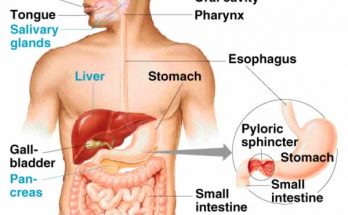
Digestive glands are organs that produce digestive juices to help break down food and absorb nutrients. There are five main types of digestive glands in the human body: salivary glands, gastric glands, pancreas, liver and intestinal glands. Each gland has a specific function in the digestive process, such as producing enzymes or regulating blood sugar levels. Understanding the functions of these glands is essential for maintaining a healthy digestive system.
Digestive Glands – Definition , Types and Functions Read More