Define Blood Pressure
Translocation in Plants

Translocation in Plants – Steps ,Phloem Structure , Importance and Factors Affecting Translocation

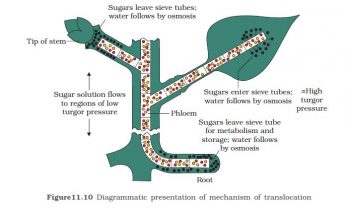
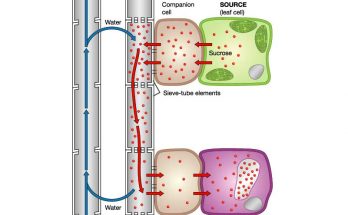
Translocation is the process by which plants transport nutrients from the site of absorption to the site of utilization. This process occurs mainly in the phloem tissue which is composed of sieve tubes, companion cells, phloem fibers and parenchyma cells. The steps of translocation include loading, transport, unloading and utilization of nutrients. Factors such as temperature, light and nutrient availability can affect the rate of translocation.

Translocation in Plants – Steps ,Phloem Structure , Importance and Factors Affecting Translocation Read More
How is The Food Transported in Plants Class 10

How is Food Transported in Plants -Class 10

The Plant Food such as Sugars and other metabolites are transported through phloem and Water transported through Xylem.
Role of Phloem in Transportation of Food
3 step Mechanism of Transport of Food in a Plant explained

How is Food Transported in Plants -Class 10 Read More

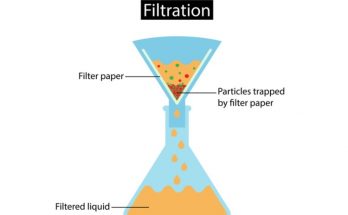
DECANTATION – Definition, Process, Example, Limitation

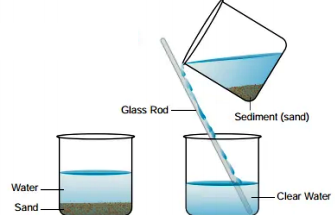
DECANTATION Definition  Decantation is the process of pouring out a clear liquid from a vessel (after sedimentation) without disturbing the sediment (heavy insoluble settled particles).  Process of DECANTATION There are …

DECANTATION – Definition, Process, Example, Limitation Read More
11 Important Differences between Transpiration and Evaporation

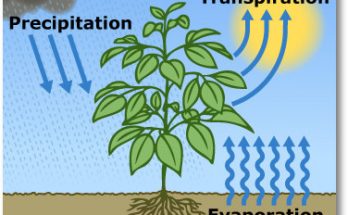
11 key Differences Between Transpiration and Evaporation

Explore the 11 Key Differences Between Transpiration and Evaporation in this insightful article. Understand how these two distinct processes impact our ecosystem. From biological and physical distinctions to environmental effects, each aspect is clearly explained for easy comprehension. Ideal for students and educators seeking clarity on these vital natural phenomena.

11 key Differences Between Transpiration and Evaporation Read More
How are Water and Minerals Transported in Plants ? explained in details

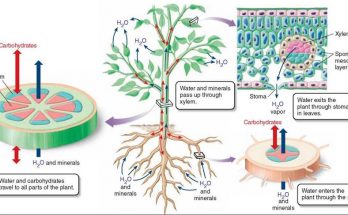
How are Water and Minerals Transported in Plants ?

Plants transport water and minerals through specialised structures called xylem and phloem. Xylem moves water and nutrients from the roots to the rest of the plant, while phloem transports sugars and other organic compounds produced during photosynthesis to the rest of the plant. This process is essential for plant growth and survival and is facilitated by a combination of physical and chemical mechanisms.

How are Water and Minerals Transported in Plants ? Read More
types of transpiration - Stomata traspiration

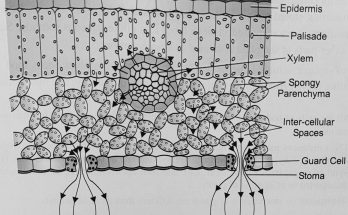
Stomatal Transpiration

Stomatal transpiration is a critical process by which plants regulate their internal water balance and maintain proper hydration. The process involves the movement of water vapour through the stomata in a plant’s leaves, which is regulated by a variety of environmental factors. Stomatal transpiration is also important for regulating plant temperature and promoting growth and development. Environmental factors such as drought, excess water and pollutants can impact stomatal transpiration.

Stomatal Transpiration Read More