Nutrition in Human Beings Class 10
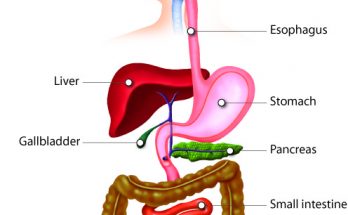
Nutrition in Human Beings complete notes for class 10th. with explanation with diagram ,structure and function of Human Digestive System -Alimentary canal and
Digestive glands
CBSE Class Notes Online – Classnotes123
CBSE Class Notes, Worksheets, Question Answers, Diagrams , Definitions , Diffrence between , Maths Concepts, Science Facts Online – Classnotes123
Nutrition in Human Beings complete notes for class 10th. with explanation with diagram ,structure and function of Human Digestive System -Alimentary canal and
Digestive glands
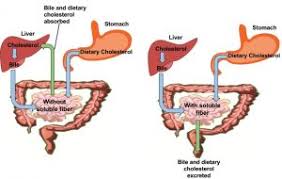
Fat digestion takes place mainly in the small intestine, where large globules are emulsified by the bile of the liver. Pancreatic lipase further breaks down the globules into absorbable molecules. The digestive juices in the small intestine convert these molecules into fatty acids and glycerol. This complicated process ensures efficient fat digestion and takes place in coordination between the liver, gallbladder, pancreas and small intestine.
How are Fats Digested in our Body ? Where does this process take place? Read More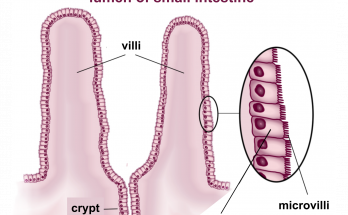
The small intestine, a vital component of the digestive system, has a remarkable design optimised for efficient absorption of digested food. With millions of finger-like projections called villi, the inner surface area of the small intestine is significantly increased, facilitating nutrient absorption. This intricate structure, combined with the secretion of intestinal juices and specialised epithelial cells, ensures effective extraction of important nutrients from the food we consume.
How is the Small Intestine designed to absorb Digested Food ? Read MoreHow does the Embryo get Nourishment Inside the Mother’s Body? What is Placenta ? Explain Structure and Function of Placenta? How will an Organism be Benifitted , If it Reproduces …
How do Organisms Reproduce Class 10 Questions and Answers Read More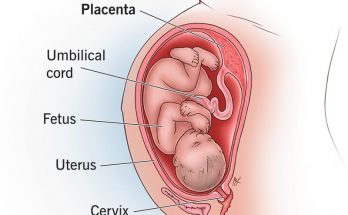
Define Placenta Placenta is the temporary organ for a baby’s life-support system.It contains tiny blood vessels from the fetus that pass close to the mother’s blood vessels, without the blood …
What is Placenta – Class 10th Read More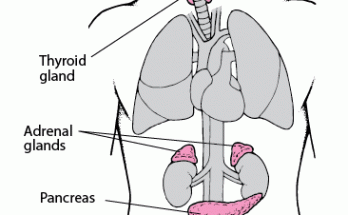
The Endocrine System The endocrine system works together with the nervous system to control and coordinate the body. Endocrine glands secrete chemicals called hormones into the bloodstream. Blood then transports …
Endocrine Gland -Class 10 Read More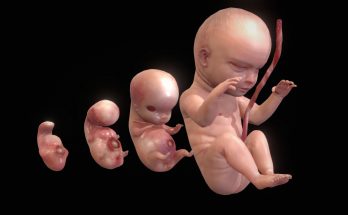
The placenta is a disc-like tissue that develops between the uterine wall and embryo allowing the diffusion of nourishment from the mother’s blood to the growing fetus and waste disposal from the fetus to the mother. It receives oxygen, glucose, amino acids, lipids, vitamins, mineral ions and antibodies from the mother’s blood and removes carbon dioxide and urea from the fetal blood. The umbilical cord containing blood vessels connects the placenta to the fetus. It aloows the exchange of nutrients and waste products.
How does the Embryo get Nourishment Inside the Mother’s Body Read More
6 Important Advantages of Sexual Reproduction over Asexual Reproduction are explained
What are the advantages of Sexual Reproduction over Asexual Reproduction Read More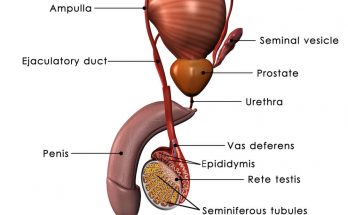
Seminal vesicles A pair of lobulated glands located between the posterior surface of the urinary bladder and the rectum. A duct from each seminal vesicle joins the corresponding sperm duct …
What is the role of Seminal Vesicles and Prostate Gland Read More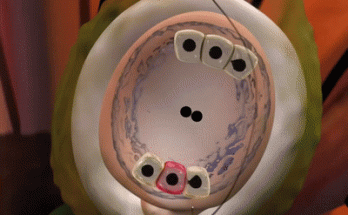
Double fertilization explained in details with the complete step by step process of double fertilization with neatly labeled diagram ,discovery and 6 important significance
What is Double Fertilization ? Read More