What will happen if Mucus is not Secreted by the Gastric Glands class 10

What will happen if Mucus is not Secreted by the Gastric Glands

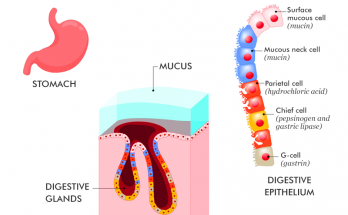
Insufficient secretion of mucus by the gastric glands disrupts the balance in the stomach. Without mucus, the stomach lining becomes vulnerable to acid and enzyme damage, leading to erosion, painful ulcers and increased acidity. Digestive complications such as chronic acid reflux, gastritis and risk of infection can occur. Mucus secretion plays a crucial role in protecting the stomach and maintaining digestive health.

What will happen if Mucus is not Secreted by the Gastric Glands Read More
Why do Herbivores have Longer Small Intestine than Carnivores

Why do Herbivores have Longer Small Intestine than Carnivores

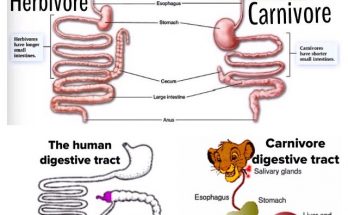
Herbivores and omnivores have longer digestive tracts than carnivores. Herbivores consume fibre-rich plants with cellulose, requiring extended digestion time. A longer small intestine allows herbivores to fully break down cellulose, aided by bacteria. Carnivores lack cellulase enzymes, resulting in a shorter small intestine. The difference in tract length arises from dietary needs and cellulose digestion capabilities.

Why do Herbivores have Longer Small Intestine than Carnivores Read More
photosynthesis complete notes

Photosynthesis – Class 10

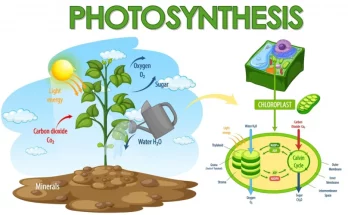
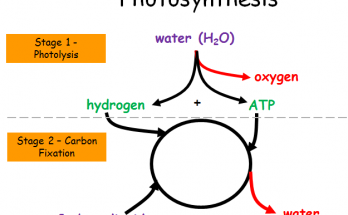
Photosynthesis, the vital process in plants, converts raw materials—carbon dioxide and water—into glucose, releasing oxygen. It occurs within chloroplasts, the site of photosynthesis. The process involves interconnected events, including light absorption, energy conversion, and carbon dioxide reduction. Factors like light intensity, temperature, and nutrient availability influence photosynthesis. Unique adaptations in desert and aquatic plants optimize their photosynthetic efficiency

Photosynthesis – Class 10 Read More
Differences between Photosynthesis and Respiration

13 Important Differences between Photosynthesis and Respiration

Differences between photosynthesis and respiration are significant. Photosynthesis is the process where plants convert sunlight, water, and carbon dioxide into glucose and release oxygen. It is light-dependent and anabolic, increasing plant weight. In contrast, respiration breaks down glucose using oxygen to release energy, carbon dioxide, and water. It occurs throughout day and night, is exothermic, and is essential for all organisms’ survival.

13 Important Differences between Photosynthesis and Respiration Read More
Types of Autotrophic Nutrition

Types of Autotrophic Nutrition – Chemosynthesis and Photosynthesis

Autotrophic nutrition is of two main types – Chemosynthesis and Photosynthesis. Chemosynthesis involves the synthesis of carbohydrates using chemical nutrients as an energy source, while photosynthesis uses sunlight to convert carbon dioxide and water into glucose and oxygen. Chemosynthetic autotrophs thrive in low-light environments, while green plants, algae and cyanobacteria are particularly good at capturing solar energy through photosynthesis.

Types of Autotrophic Nutrition – Chemosynthesis and Photosynthesis Read More

Autotrophic Nutrition – Significance ,Types, Organisms and Examples

Autotrophic nutrition, including photosynthesis and chemosynthesis, is of great significance for sustaining life on Earth. Autotrophs, such as plants, algae, and chemosynthetic bacteria, synthesise their own food. They play a vital role as producers, fixing carbon dioxide and forming the foundation of energy pyramids and food chains. Autotrophs fuel the development of ecosystems and provide essential nourishment for heterotrophs.

Autotrophic Nutrition – Significance ,Types, Organisms and Examples Read More
How are Fats Digested in our Body ? Where does this process take place? - class 10

How are Fats Digested in our Body ? Where does this process take place?

Fat digestion takes place mainly in the small intestine, where large globules are emulsified by the bile of the liver. Pancreatic lipase further breaks down the globules into absorbable molecules. The digestive juices in the small intestine convert these molecules into fatty acids and glycerol. This complicated process ensures efficient fat digestion and takes place in coordination between the liver, gallbladder, pancreas and small intestine.

How are Fats Digested in our Body ? Where does this process take place? Read More
Small Intestine designed to absorb Digested Food

How is the Small Intestine designed to absorb Digested Food ?

The small intestine, a vital component of the digestive system, has a remarkable design optimised for efficient absorption of digested food. With millions of finger-like projections called villi, the inner surface area of the small intestine is significantly increased, facilitating nutrient absorption. This intricate structure, combined with the secretion of intestinal juices and specialised epithelial cells, ensures effective extraction of important nutrients from the food we consume.

How is the Small Intestine designed to absorb Digested Food ? Read More