What changes did Napoleon introduce to make the administrative system more efficient in the territories ruled by him?

Napoleon’s administrative reforms aimed to streamline governance across his empire, drawing from French Revolution principles. Key changes included the Napoleonic Code, administrative simplification, feudal system abolition, guild restrictions removal, transport improvements, standardization of measures and legal systems, and promotion of the French language. These reforms enhanced efficiency and left a lasting impact on territories under his rule.

What changes did Napoleon introduce to make the administrative system more efficient in the territories ruled by him? Read More
Briefly trace the process of German unification

The German unification, spearheaded by Prussia in the late 19th century, shifted from failed liberal revolutions to conservative dominance. Otto von Bismarck’s Realpolitik guided the process through strategic wars like the Austro-Prussian and Franco-Prussian conflicts. Culminating in 1871, the proclamation of the German Empire at Versailles marked a new era, forging a unified Germany into a major European power.

Briefly trace the process of German unification Read More

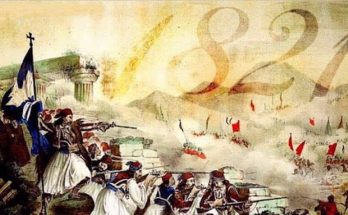
Greek War of Independence

The Greek War of Independence, a pivotal 19th-century event, liberated Greece from centuries of Ottoman rule. Fueled by nationalism, Enlightenment ideals, and Philhellenism, it culminated in the 1821 revolution led by figures like Kolokotronis and supported by international volunteers like Lord Byron. The subsequent Treaty of Constantinople birthed modern Greece, inspiring similar movements and igniting a cultural renaissance.

Greek War of Independence Read More

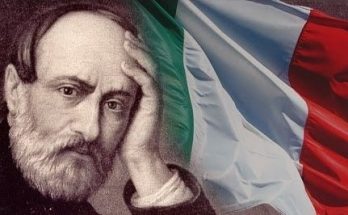
The Rise of Nationalism in Europe – Class 10 – Notes

The chapter “The Rise of Nationalism in Europe” outlines how the French Revolution ignited nationalism by promoting citizen-centric identity over monarchical rule. It explores the spread of nationalism via Napoleonic reforms, revolutions, and the unification of Italy and Germany, emphasising the role of cultural elements like language and allegories in shaping national identities, and how nationalism evolved into imperialism, setting the stage for World War I.

The Rise of Nationalism in Europe – Class 10 – Notes Read More

The Balkans – Nationalism, Imperialism, and World War I

The Balkans, Europe’s region of intense nationalist fervour and imperial competition in the late 19th-early 20th centuries, reshaped Europe’s map and nationalism’s concept. Ottoman dominance, shifting nationalist sentiments, and imperial rivalries fueled conflicts. Balkan Wars and alliances led to WWI’s outbreak. The aftermath spurred global anti-imperial movements, shaping the evolution of the nation-state concept worldwide.

The Balkans – Nationalism, Imperialism, and World War I Read More

Napoleon and the Napoleonic Code- Impact on European Societies and Legal Systems

The Napoleonic Code, established in 1804 by Napoleon Bonaparte, revolutionised European legal systems, abolishing birth privileges and ensuring equality before the law. It secured property rights and simplified administrative divisions, impacting regions under French control. Despite criticisms, its principles spread, shaping modern legal frameworks worldwide and liberating societies from feudal and guild restrictions.

Napoleon and the Napoleonic Code- Impact on European Societies and Legal Systems Read More
Napoleonic Code - points

Napoleonic Code – Class 10

The Napoleonic Code, instituted in 1804 by Napoleon Bonaparte, aimed to revolutionize French law, embodying principles of the French Revolution. It abolished birth privileges, ensured legal equality, and protected property rights. Its influence spread globally, shaping legal systems and promoting economic freedom. Despite criticism, its legacy endures, laying the foundation for modern legal frameworks worldwide.

Napoleonic Code – Class 10 Read More
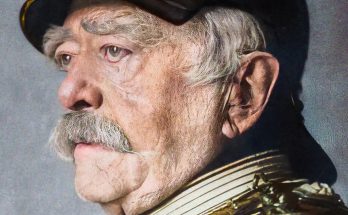
Otto von Bismarck class 10

Otto von Bismarck- Architect of German Unification

Otto von Bismarck, known as the “Iron Chancellor,” was the Prussian statesman who masterminded German unification. Serving as Prime Minister, he skillfully used diplomacy and wars against Austria and France to consolidate German states under Prussian leadership, ultimately proclaiming the German Empire in 1871. His Realpolitik approach significantly shaped modern Germany’s political

Otto von Bismarck- Architect of German Unification Read More
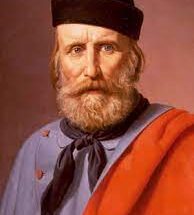
Giuseppe Garibaldi

Giuseppe Garibaldi-  Italian freedom fighter

Garibaldi’s life was marked by his unwavering commitment to the cause of Italian unification, his ability to inspire and lead volunteers, and his adaptability in the face of changing political circumstances. His legacy is that of one of the most celebrated Italian freedom fighters, whose actions were instrumental in the creation of a unified Italy.

Giuseppe Garibaldi-  Italian freedom fighter Read More