What is the Significance of Emulsification of Fats class 10

What is the Significance of Emulsification of Fats

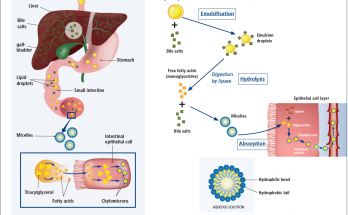
Emulsification of fats is a significant process in our body, in which large fat globules are broken down into small, evenly distributed fat particles by the action of the bile salts present in bile juice. This process increases the efficiency of fat-digesting enzymes, aids in the digestion and absorption of fats, and provides a larger surface area for enzymes to act upon. Overall, the significance of emulsification is crucial for proper fat digestion and absorption in the body.

What is the Significance of Emulsification of Fats Read More
What will happen if Mucus is not Secreted by the Gastric Glands class 10

What will happen if Mucus is not Secreted by the Gastric Glands

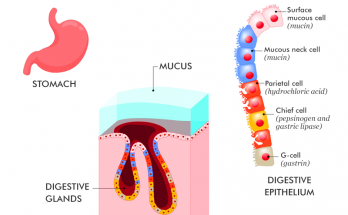
Insufficient secretion of mucus by the gastric glands disrupts the balance in the stomach. Without mucus, the stomach lining becomes vulnerable to acid and enzyme damage, leading to erosion, painful ulcers and increased acidity. Digestive complications such as chronic acid reflux, gastritis and risk of infection can occur. Mucus secretion plays a crucial role in protecting the stomach and maintaining digestive health.

What will happen if Mucus is not Secreted by the Gastric Glands Read More
Why do Herbivores have Longer Small Intestine than Carnivores

Why do Herbivores have Longer Small Intestine than Carnivores

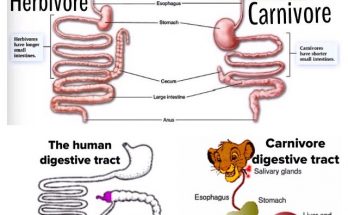
Herbivores and omnivores have longer digestive tracts than carnivores. Herbivores consume fibre-rich plants with cellulose, requiring extended digestion time. A longer small intestine allows herbivores to fully break down cellulose, aided by bacteria. Carnivores lack cellulase enzymes, resulting in a shorter small intestine. The difference in tract length arises from dietary needs and cellulose digestion capabilities.

Why do Herbivores have Longer Small Intestine than Carnivores Read More