Guard Cell Diagram

The diagram of the guard cells illustrates the specialised cells surrounding the stomata. These kidney-shaped cells with thicker outer walls swell when filled with water, causing the stomata to open. Conversely, they become flaccid when they lose water, causing the stomata to close. This process, controlled by vacuoles and cell walls, regulates gas exchange and water loss in plants.

Guard Cell Diagram Read More
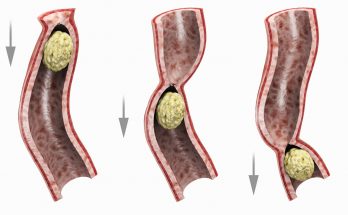
peristalsis / perstaltic movement

Peristalsis-  The Rhythmic Journey Through Your Body

Peristalsis is a vital biological process that facilitates the movement of food through the digestive system. It involves rhythmic contractions of smooth muscles, creating a wave-like motion known as peristaltic waves. These waves propel food through the digestive tract and ensure efficient digestion and absorption of nutrients. Peristaltic movements are coordinated by the enteric nervous system and provide the motility necessary for proper gastrointestinal function.

Peristalsis-  The Rhythmic Journey Through Your Body Read More
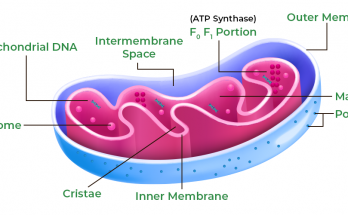
mitochondria short note

Short Note on Mitochondria

Mitochondria, the ‘Powerhouse of the cell’, are double-membrane organelles found in eukaryotic organisms. They function as the cell’s digestive system and play an important role in energy production through oxidative phosphorylation. With their unique structure and multiple functions, mitochondria regulate metabolism, promote cell growth, detoxify ammonia, induce apoptosis and maintain calcium ion balance, making them essential for cellular activities.

Short Note on Mitochondria Read More
emulsification of fats in digestion

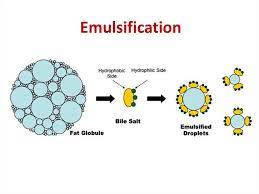
Emulsification of Fats

Emulsification of fats is an important process in digestion in which large globules of fat are broken down into smaller droplets. This process is carried out by bile, a substance produced by the liver and stored in the gallbladder. Bile emulsifies fats by acting as a detergent, breaking down the fat into smaller droplets that can be easily digested and absorbed by the body. Without this process, the digestion and absorption of fats would be much less efficient.

Emulsification of Fats Read More
Endocytosis and Exocytosis - Differences , Similarities ,Roles, Steps , Types

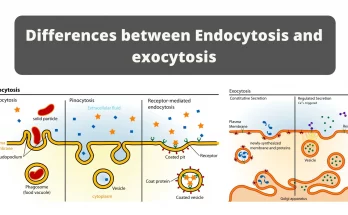
Endocytosis and Exocytosis – Differences , Similarities ,Roles, Steps , Types

Endocytosis and Exocytosis are cellular processes used to move molecules in and out of cells, respectively. Endocytosis involves the formation of a vesicle to engulf and transport molecules into the cell, while exocytosis involves the fusion of a vesicle with the plasma membrane to release molecules out of the cell. These processes play important roles in nutrient uptake, waste elimination, cell communication etc.

Endocytosis and Exocytosis – Differences , Similarities ,Roles, Steps , Types Read More

Amoeba Diagram for Class 7

The Amoeba is a single-celled organism of Protozoa phylum.It is a type of unicellular Protist that can be found in a variety of environments. The amoeba diagram is a simple and easy-to-draw representation of this organism, neatly labeled to help students in class 7 understand its structure. The essential features of the amoeba diagram comprise the pseudopod, cytoplasm, food vacuole, nucleus and other parts.

Amoeba Diagram for Class 7 Read More

Human Circulatory System

The human circulatory system is responsible for delivering oxygen, nutrients, and hormones to cells and tissues throughout the body. It consists of the heart, blood vessels and blood. The heart pumps oxygenated blood to the body through arteries and the deoxygenated blood returns to the heart through veins. The circulatory system also helps remove waste products from cells and helps regulate body temperature.

Human Circulatory System Read More
Ascent of Sap- explained in details

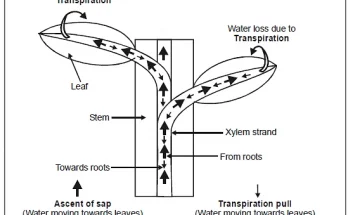
Ascent of Sap

The Ascent of Sap is the movement of water through the Xylem vessels from the roots to the leaves. It is essential for various processes such as photosynthesis, transpiration and respiration. The cohesion-tension theory is widely accepted to explain the mechanism of the Ascent of Sap, where water moves up through the Xylem vessels due to a combination of transpiration and cohesive forces. Factors such as temperature, humidity, and wind affects Ascent of Sap

Ascent of Sap Read More
blood coagulation - blood clotting

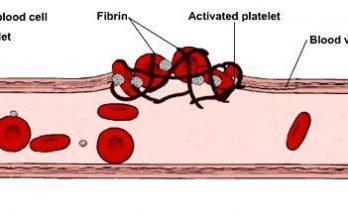
Blood Coagulation (Blood Clotting)

Blood coagulation or blood clotting is a complex process that prevents excessive bleeding after an injury. It involves platelets, clotting factors, fibrin, and endothelial cells and occurs in a series of steps including vasoconstriction, platelet activation, the coagulation cascade, clot retraction and fibrinolysis. There are many clotting factors involved in coagulation. Disruptions to any of them can lead to bleeding disorders or unwanted blood clots.

Blood Coagulation (Blood Clotting) Read More