Chapter 1- Matter In Our Surroundings – Class 9 Science – Long Question and Answers

Long Question and Answers (Extra Questions)Chapter 1- Matter In Our Surroundings – Class 9 Science .The fundamental concepts of matter and its transformations, such as the interconversion of states, evaporation, and why gases are more compressible than solids or liquids. key processes like boiling, condensation, and sublimation with detailed examples and practical applications.

Chapter 1- Matter In Our Surroundings – Class 9 Science – Long Question and Answers Read More

Chapter 1- Matter In Our Surroundings – Class 9 Science – Very Short Question and Answers

This solved worksheet provides answers to fundamental questions about the properties and behaviors of matter in various states. It covers concepts such as pressure, kinetic energy, phase changes, and the different forces acting between particles. Each question is explained in simple terms, offering insights into the science behind the states of matter.

Chapter 1- Matter In Our Surroundings – Class 9 Science – Very Short Question and Answers Read More

Chapter 1- Matter In Our Surroundings – Class 9 Science – Solved MCQs

Solved multiple-choice questions (MCQs) on the topic “Matter in Our Surroundings” from Class 9 Science. It covers key concepts like the properties of matter, diffusion, evaporation, sublimation, and more. Clear explanations to help students understand how matter behaves in different states and conditions.

Chapter 1- Matter In Our Surroundings – Class 9 Science – Solved MCQs Read More

Angiosperms- Characteristics, Classification, and Reproductive Biology

Discover angiosperms, the largest group of plants. This article explores their distinctive characteristics, reproductive mechanisms, and classification. Learn how angiosperms develop from flowers to fruits, and understand their significant roles in ecosystems. Gain insights into the unique biological processes that define angiosperms, from pollination to seed development.

Angiosperms- Characteristics, Classification, and Reproductive Biology Read More

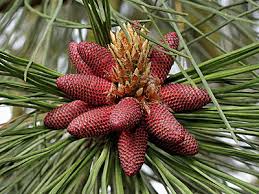
Gymnosperm Life Cycle  with Pine Tree Example

The gymnosperm life cycle involves distinct phases from spore production to seed maturation. Key stages include spore formation, pollination by wind, and seed development without fruit enclosures, showcasing the alternation between dominant sporophyte and reduced gametophyte stages. This lifecycle enables gymnosperms like pines and redwoods to thrive across diverse environments.

Gymnosperm Life Cycle  with Pine Tree Example Read More

Gymnosperm Overview- Characteristics, Classification, Life Cycle, Examples, and Economic Impact

Gymnosperms, seed-producing vascular plants, lack flowers and fruits, exposing their seeds on cone scales. Originating in the Paleozoic era, their characteristics include naked seeds, needle-like leaves, and wind pollination. Divided into four groups—Cycadophyta, Coniferophyta, Ginkgophyta, Gnetophyta—they play crucial ecological roles and have significant economic value in food, medicine, and industry.

Gymnosperm Overview- Characteristics, Classification, Life Cycle, Examples, and Economic Impact Read More

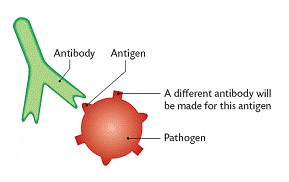
Antigen and Pathogen – Differences, Definitions and Functions

Antigens and pathogens are distinct entities in immunology. Antigens trigger immune responses without causing harm, while pathogens directly cause disease. This article outlines their differences in terms of structure, function, and immune interaction-essential knowledge for biology, medicine, and vaccine science.

Antigen and Pathogen – Differences, Definitions and Functions Read More

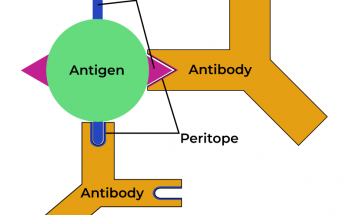
Difference Between Antigens and Antibodies – Structure, Function, and Role in Immunity

Antigens and antibodies differ in several aspects. Antigens, like bacteria or viruses, trigger immune responses and can originate from within the body in autoimmune diseases. Antibodies, produced in response to antigens, neutralise or eliminate them, aiding in immunity. They vary in molecular structure, origin, and function etc..

Difference Between Antigens and Antibodies – Structure, Function, and Role in Immunity Read More

Key Organs of the Immune System -Explained in Details

This article delves into the immune system, emphasising its organs, such as white blood cells, the lymphatic system, bone marrow, skin, mucous membranes, appendix, and tonsils. It explains their roles in defending against pathogens through mechanisms like producing white blood cells, filtering blood, and creating physical barriers.

Key Organs of the Immune System -Explained in Details Read More