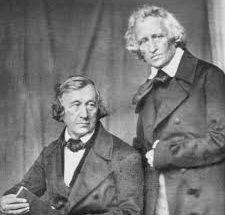
Grimm Brothers – Jacob and Wilhelm Grimm

Jacob and Wilhelm Grimm, German scholars, collected folklore, publishing “Grimm’s Fairy Tales” including “Cinderella” and “Hansel and Gretel.” Their work preserved German culture, fostering nationalism by instilling national pride and unity. Additionally, their linguistic contributions, though incomplete, left a lasting impact on German philology. Their tales, translated worldwide, influenced global folklore and cultural heritage.

Grimm Brothers – Jacob and Wilhelm Grimm Read More
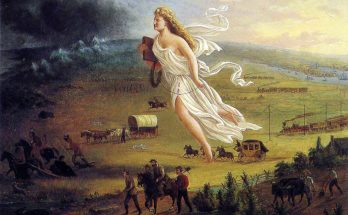

Class 10 - Chapter- The Rise of Nationalism in Europe

Romanticism- Class 10 – Chapter- The Rise of Nationalism in Europe

Romanticism, explored in Class 10’s chapter on “The Rise of Nationalism in Europe,” highlights its role in fostering nationalism. It emphasised emotion, individualism, and cultural heritage, bridging personal feelings with national identity. Through artists like Delacroix and figures like the Grimm brothers, Romanticism celebrated folklore, history, and language, shaping a collective European identity amidst nationalist struggles.

Romanticism- Class 10 – Chapter- The Rise of Nationalism in Europe Read More

Why did Nationalist Tensions Emerge in the Balkans?

Nationalist tensions erupted in the Balkans due to diverse ethnicities, Ottoman rule, romantic nationalism, internal struggles for independence, inter-state rivalries, and great power involvement. These factors, including historical grievances and geopolitical interests, intertwined, making the Balkans a volatile hotspot that ultimately contributed to the outbreak of the First World War.

Why did Nationalist Tensions Emerge in the Balkans? Read More
How was the history of nationalism in Britain unlike the rest of Europe?

How was the history of nationalism in Britain unlike the rest of Europe?

Britain’s nationalist history diverged from Europe due to gradual evolution, English dominance, and suppression of cultural identities. Unlike abrupt revolutions, Britain’s state formation was gradual. Pre-18th century, there was no unified British identity, with English dominance shaping the Union. Acts of Union and cultural propagation further suppressed distinct identities, forging a unified British nation.

How was the history of nationalism in Britain unlike the rest of Europe? Read More

Through a focus on any two countries, explain how nations developed over the nineteenth century.

The nineteenth-century development of nations is illustrated through Germany and Italy’s unification processes. Germany’s evolution involved a shift from liberal to conservative nationalism under Prussian leadership, marked by strategic wars and modernization efforts. Italy, fragmented and linguistically diverse, unified through diplomatic manoeuvres and military campaigns, despite limited widespread awareness of nationalist ideologies among the populace.

Through a focus on any two countries, explain how nations developed over the nineteenth century. Read More

Three examples to show the contribution of culture to the growth of nationalism in Europe.

Culture played a vital role in European nationalism-
Romanticism- Stirred nationalist sentiments through emotional art and narratives.
Folk Culture- Expressed national spirit through folk songs, poetry, and dances, uniting common people.
Language and Literature- Promoted vernacular languages and local folklore, preserving national identity and resisting foreign domination, as seen in Poland’s struggle against Russian suppression.

Three examples to show the contribution of culture to the growth of nationalism in Europe. Read More

Who were Marianne and Germania? What was the importance of the way in which they were portrayed?

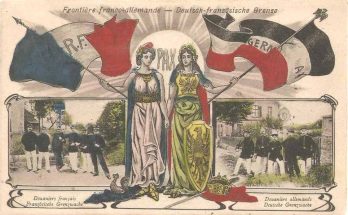
Marianne and Germania symbolised France and Germany, shaping national identity. Marianne, with her Liberty ideals, represented unity and revolution. Germania embodied heroism and national aspirations. Their portrayal through symbols fostered unity, conveyed ideological meanings, integrated diverse groups, and inspired citizens during political upheaval. They were crucial in unifying their nations and inspiring shared values.

Who were Marianne and Germania? What was the importance of the way in which they were portrayed? Read More

What steps did the French revolutionaries take to create a sense of collective identity among the French people?

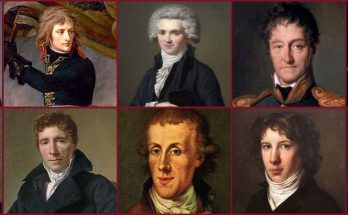
The French revolutionaries fostered collective identity through nationalism, equal rights, national symbols like the tricolour flag, institutional reforms such as the National Assembly, cultural practices, centralised administration, economic unity, standardisation, language promotion, and an international mission to spread revolutionary ideals. These measures united the French under shared symbols, ideals, and legal frameworks, forging a strong national identity.

What steps did the French revolutionaries take to create a sense of collective identity among the French people? Read More

The Rise of Nationalism in Europe- 39 Mcqs

These MCQs explore “The Rise of Nationalism in Europe,” covering key events and figures that shaped Germany, Italy, and Britain’s nation-states. From Bismarck’s conservative unification of Germany and Italy’s fragmented unification to Britain’s non-revolutionary nation-state formation and the symbolic use of national allegories, these questions delve into the complexities of nationalism’s impact on Europe’s geopolitical landscape.

The Rise of Nationalism in Europe- 39 Mcqs Read More

Explain what is meant by the 1848 revolution of the liberals. What were the political, social and economic ideas supported by the liberals?

The 1848 Revolution of the Liberals, epitomised by the February Revolution in France, encompassed liberal and nationalist aspirations, led by the educated middle class. It demanded constitutional reforms, national unification, and challenged autocratic rule. Economic liberalism favoured free markets and removal of trade barriers, while socially, it aimed at dismantling class hierarchy and aristocratic privileges, marking a pivotal moment in European history.

Explain what is meant by the 1848 revolution of the liberals. What were the political, social and economic ideas supported by the liberals? Read More